1. Photos and notes
If it is safe, the owner takes photos from a distance for insurance or a lease dispute. The crew adds notes of its own.
Trooper, PA · Montgomery County
Found syringes, pipes or residue at a property in Trooper? Call (877) 812-4220. A cleanup team can remove the items, clean and disinfect surfaces and dispose of the waste without judgment.
If anyone is in danger, call 911 first. For a suicide crisis, call or text 988.
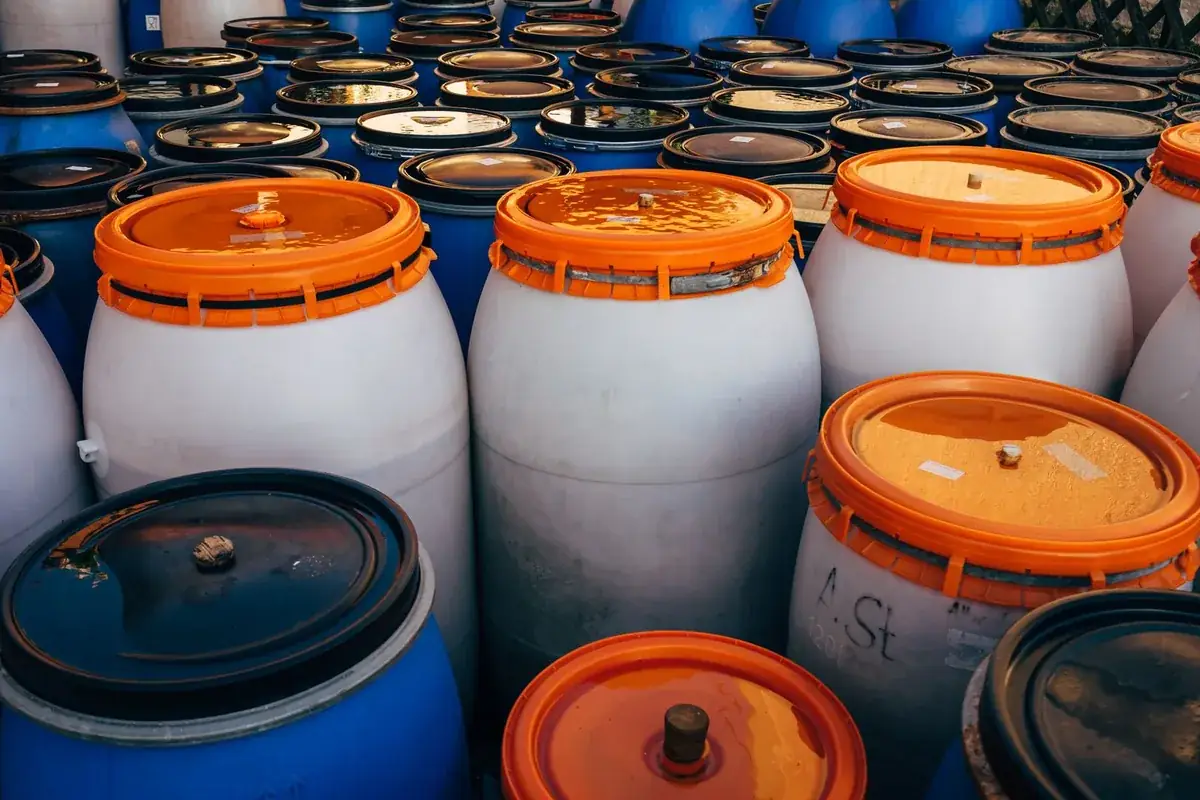
Paraphernalia and residue cleanup is a decontamination job. The goal is to leave a space where no sharps remain and surfaces have been cleaned with hospital-grade, EPA-registered products.
Families in Trooper and Montgomery County who need help after a loved one's crisis can call Trooper Biohazard Cleanup Help. Crews clear the room calmly and quietly and can arrive in an unmarked vehicle if privacy matters to you.
The vacancy rate in Montgomery County is only about 4%, so most paraphernalia calls come from occupied homes, rentals and businesses. If anyone is unresponsive or hurt, call 911. The nearest emergency room to Trooper is Jefferson Einstein Montgomery Hospital in East Norriton, about 1 miles away.
What drug paraphernalia cleanup covers:
If it is safe, the owner takes photos from a distance for insurance or a lease dispute. The crew adds notes of its own.
Cleanup technicians use puncture-resistant gloves and tools. Unknown powders are never swept or vacuumed dry.
Surfaces are cleaned, and soft goods that could hold residue are removed.
The space is checked once more, and the crew answers questions before leaving.
The cost of drug paraphernalia cleanup in Trooper, PA depends on the amount of material, how it is packed and how it is hauled.
The number of rooms affected is a major factor. One bedroom needs less time than a whole house or a large rental unit.
| Type of job | Typical range |
|---|
Estimates only, not a quote. Sources: . Price drivers include amount of material, whether residue is present, surfaces affected, waste disposal. Call (877) 812-4220 to talk through the job.
Vehicles can hold syringes, residue and odor in seats, carpets and vents. Ask whether the team cleans vehicles and how soft materials are treated. Crews use the same protective gear and sealed containers as in a building.
It is safer not to. You often cannot tell what an item or residue is, and hidden sharps are a risk. Do not mix cleaning products. A cleanup team has the protective gear and containers to do it safely, without judgment.
It can. Powders and stains may stay on floors, furniture, bedding and in vents after the items are gone. That is why a team cleans and disinfects the surfaces and removes soft materials that cannot be cleaned. Ask what the plan covers.
Wash the area with soap and water and get medical care right away. Call 911 in an emergency. Poison Control can answer exposure questions. Tell the doctor what happened and where the needle was found, if you know.
Police and the city do not usually clean the space afterward. The owner or the family books the cleanup once the scene is released. A cleanup team can work after the release and explain the steps. Ask the agency when the space is cleared.
No. A good team asks only what it needs to plan the work, and you decide what to share. If privacy matters, ask about discreet, unmarked arrival when you call. Teams differ, so ask how the call and the visit are handled.
One call can start the cleanup of a room, a rental unit or a whole home.
Call (877) 812-4220